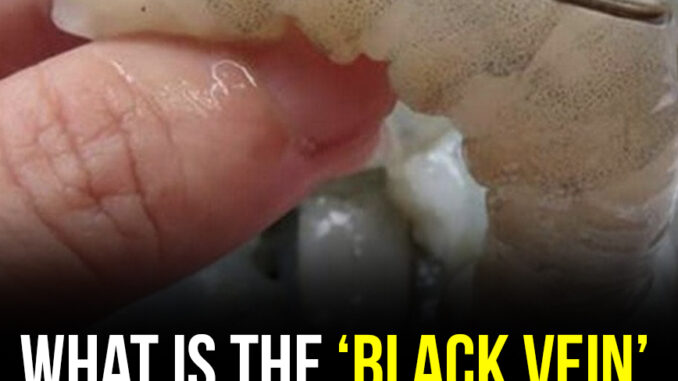
If you’ve ever cooked shrimp, you’ve probably noticed the black line along its back—and wondered what it is. You’re not alone.
That “vein” isn’t a blood vessel at all—it’s the shrimp’s digestive tract. While it’s safe to eat, it can contain grit and give shrimp a slightly bitter, sandy taste, which is why many chefs remove it.
Deveining shrimp isn’t just for looks. It improves flavor, prevents unwanted crunch, and makes dishes look more appealing—especially in salads, scampi, or kabobs. It’s easy: rinse the shrimp, make a shallow cut along the back, remove the vein, and rinse again.
That said, deveining is optional. Small shrimp often have barely noticeable veins, farm-raised shrimp are usually cleaner, and strong seasonings can mask any off-flavors.
When buying shrimp, fresh is best. Look for firm flesh, a mild sea smell, shiny shells, and springy, translucent meat. You can choose wild-caught or farm-raised based on taste, price, and sustainability. Pre-deveined shrimp are convenient but cost more. Bonus: save the shells to make shrimp stock.
Common mistakes include overcooking (shrimp cook in minutes), skipping cleaning, thawing at room temperature, and cooking shrimp while wet.
Shrimp are also highly nutritious—low in calories, high in protein, and rich in vitamin B12, selenium, and omega-3s—making them a heart-healthy, nutrient-packed addition to your diet.
Leave a Reply