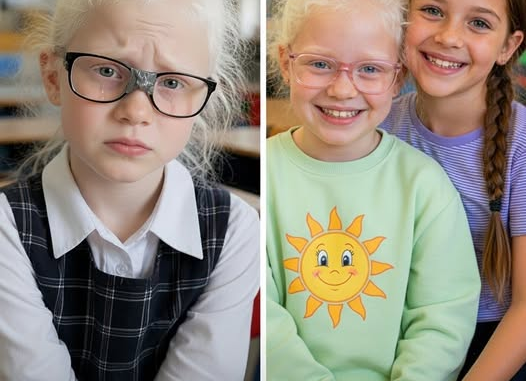
So when Mia asked if you could help her friend, you answered honestly—and she took that honesty as understanding reality, not a limit on kindness.
What she did next—selling her Lego collection for $112—was pure clarity. She saw someone in need and acted without hesitation.
Those Lego pieces weren’t just toys; they were memories she willingly gave up because helping mattered more.
Then came the school call, the panic, and the misunderstanding with Chloe’s parents. What looked like a problem was really a child’s act of kindness no one expected.
In the end, Mia’s thinking was simple: someone needs help, so I help.
And while you’ve learned to live with limits, she’s shown something else—empathy doesn’t wait for perfect conditions.
That empty Lego space isn’t just loss. It’s proof of the values she learned at home, where kindness still comes first.
Leave a Reply