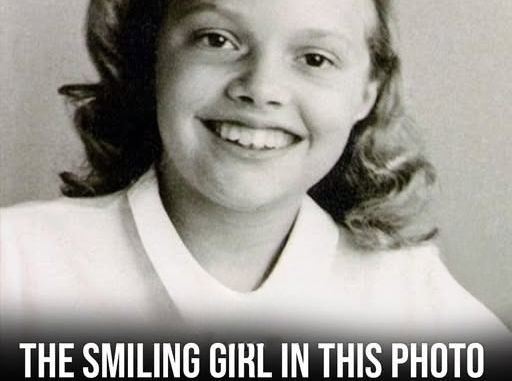
She was convicted for the murders of seven men in Florida between 1989 and 1990. Wuornos worked as a sex worker and claimed throughout much of her legal process that the killings were acts of self-defense against clients she said attempted to rape or violently assault her. The prosecution argued instead that she intentionally robbed and killed the victims, and the physical evidence supported multiple cases where the victims were shot at close range.
Her early life, as you described, was marked by severe instability and trauma—abandonment, exposure to violence, time in foster care, and survival on the streets as a teenager. Those experiences are often cited in discussions about her case, both in psychological analyses and in media portrayals, because they shaped how she was understood, though they did not determine legal responsibility for the crimes.
Wuornos was arrested in 1991, convicted, and sentenced to death. After years on death row, she was executed by lethal injection in 2002 in Florida at the age of 46. Her statements over time were inconsistent—sometimes framing her actions as defensive and at other times expressing hostility and a desire for execution.
Her case remains widely studied and debated, largely because it sits at the intersection of trauma history, violent crime, gender expectations in serial killer profiling, and the limits of self-defense claims in repeated homicide cases.
Leave a Reply