I was delivering a pizza to an elderly woman when I stepped into her freezing, dim house and realized something was seriously wrong. I made a decision I thought was right—but minutes later, she looked at me and said, “This is your fault.”
It was a bitter March night. The house was dark, overgrown, and the note only said: “Please knock loud.” She told me to come in.
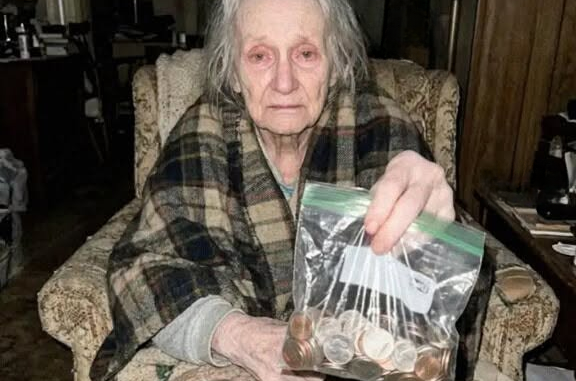
Inside, it was colder than outside. An elderly woman sat wrapped in thin blankets, lit by a candle, staring at the pizza like it was priceless.
She explained she kept the heat off to afford medication and then offered me a plastic bag of coins she had carefully saved.
I realized this wasn’t just a meal—it was survival.
I refused the money and reassured her, even claiming I owned the shop so she wouldn’t feel ashamed. She relaxed and thanked me.
But I couldn’t leave it there. In my car, I called for a welfare check.
Soon, emergency services arrived. She was taken out for medical evaluation—and in panic, she pointed at me, saying I caused it all.
Neighbors blamed me too, and I left shaken, unsure if I had done the right thing.
Days later, I returned. Everything had changed—the house was warmer, people were helping, and she was back home with support.
She apologized, admitting she needed help, even if she didn’t want it. The neighbors also admitted they should have stepped in sooner.
And I realized something: doing the right thing doesn’t always feel right—but sometimes it prevents something far worse.
Leave a Reply